Pete Bloom has been trapping, marking, and collecting blood samples of scavengers like Condors and Turkey Vultures, along with large birds of prey such as Bald & Golden Eagles, since the 1980’s. He was the leader of the Condor Research Team that captured the last wild condor, which ultimately saved the species from extinction. He still maintains all the necessary permits and authorizations to trap and mark all raptors, including Bald & Golden Eagles, and has also tagged and sampled nearly 500 Turkey Vultures since 2005.
Lead Toxicity in SCAVENGING BIRDS And Other Raptors - Bloom Research:
Slabe, V. A., Anderson, J. T., Millsap, B. A., Cooper, J. L., Harmata, A. R., Restani, M., ... & Katzner, T. E. (2022). Demographic implications of lead poisoning for eagles across North America. Science, 375(6582), 779-782.
Kelly, T. R., Bloom, P. H., Torres, S. G., Hernandez, Y. Z., Poppenga, R. H., Boyce, W. M., & Johnson, C. K. (2011). Impact of the California lead ammunition ban on reducing lead exposure in golden eagles and turkey vultures. PLoS One, 6(4), e17656.
Pattee, O. H., Bloom, P. H., Scott, J. M., & Smith, M. R. (1990). Lead hazards within the range of the California condor. The Condor, 92(4), 931-937.
What is Lead and how does it cause environmental contamination?

Roman lead pipes in Ostia Antica, near Rome, Italy. Photo by Chris73, Creative Commons CC by-SA 3.0
Lead is a toxic heavy metal (chemical element symbol “Pb”).
It is extracted from various ores (galena, cerussite, and anglesite) that have been taken from underground mines.
It is very dense but also soft and malleable, with a low melting point
Lead contamination in the environment primarily comes from anthropogenic (human-caused) sources. Human civilization has been extracting and using lead for around 8,000 years, including the lead pipes and lead-lined aqueducts built by ancient Romans - they referred to lead as “plumbum” which is where the English word “plumbing” comes from, and how “Pb” became the element symbol for lead.
Before its toxicity was fully recognized and understood, lead was used historically in many other applications as well - for example it was used as solder to seal canned goods, it was used to improve the clarity and other artistic qualities of expensive crystal glassworks, it was also used in cosmetics, ceramic glazing, as a sweetener, an additive to control fermentation in wine, and many other household or commonly utilized items.
More recently, lead has been used in products and materials such as batteries, as well as additives in paint and gasoline.
Alkaline and lithium batteries do not contain lead, but lead-acid batteries are still used - for example, most gasoline-powered cars utilize lead-acid batteries due to their cost-effectiveness, their high-power output, and ability to withstand extreme temperatures. In the United States, a closed-loop recycling system exists with collection access in all 50 states, and a report from the EPA (Environmental Protection Agency) shows that 99% of all lead-acid batteries are recycled in the US.
Lead pigmented paints were banned in the U.S. in 1978, but unfortunately can still be found in some developing countries worldwide.
Leaded gasoline (tetraethyl “TEL”) was banned in the United States in 1996 and has been phased-out globally as of 2021, but the contamination from previous exhaust still remains in soils and sediment.
While automobile fuel no longer contains lead, the fuel used for smaller piston-engine aircraft (“avgas”), does still contain TEL additives, which boosts octane and prevents engine knock. TEL is a well-known environmental contaminant and human health hazard (especially in young children) due to airborne lead particles from fuel emissions. Unleaded options have been studied extensively, but most options do not meet performance standards, and the ones that do are not commercially available at all airports. The United States EPA (Environmental Protection Agency) has announced the program “Eliminate Aviation Gasoline Lead Emissions” (EAGLE) with a goal of achieving lead-free by 2030. A 100 Octane unleaded fuel (G100UL) that can be widely used by piston-engine fleets has been approved, but is not yet commercially available. Also approved is a lower octane fuel (UL94), currently available at only approximately 35 airports in the United States. For places like Alaska, where small aircraft can be their only lifeline to obtain daily necessities and access critical medical care, the transition to an alternative fuel source will require a highly coordinated effort and is seen as a necessary but also distressing issue for communities that are already struggling.
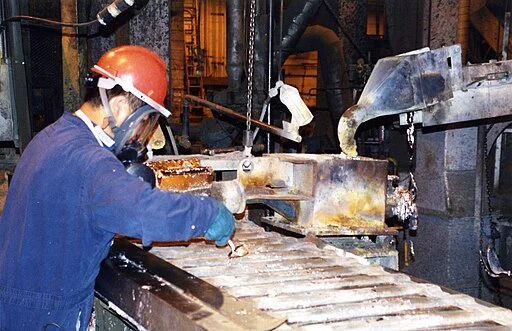


Humans can also inadvertently cause lead contamination in the environment when they leave behind waste during recreational activities like hunting and fishing. Lead-weighted fishing sinkers and spent ammunition can cause trophic contamination of an ecosystem, and lead fragments left behind in carcasses or offal (the remains after field dressing) even came close to being a main cause of the near-extinction of the California Condor. Lead ammunition can also contaminate meat that is harvested by wild game hunters, which poses a possible threat to human health.

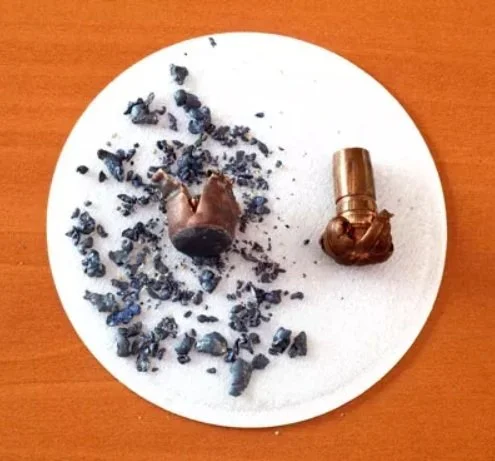
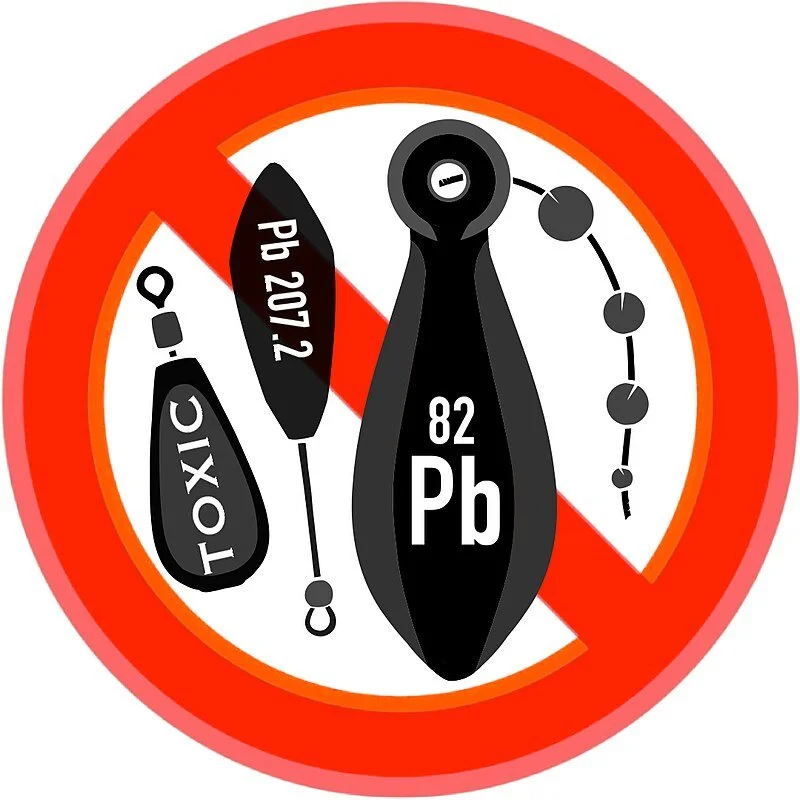
For more information on how to transition to lead-free hunting and fishing, visit:

● Ingesting lead in a single large dose can be fatal, but even small amounts over time can accumulate to deadly levels and will cause permanent serious health issues.
●Ingested lead becomes ionized by acidity in the stomach and is transformed into its toxic lead salt form, which is then absorbed by the body. The absorbed lead interferes with calcium, zinc, and magnesium, which in turn will ultimately affect almost every system in the body.
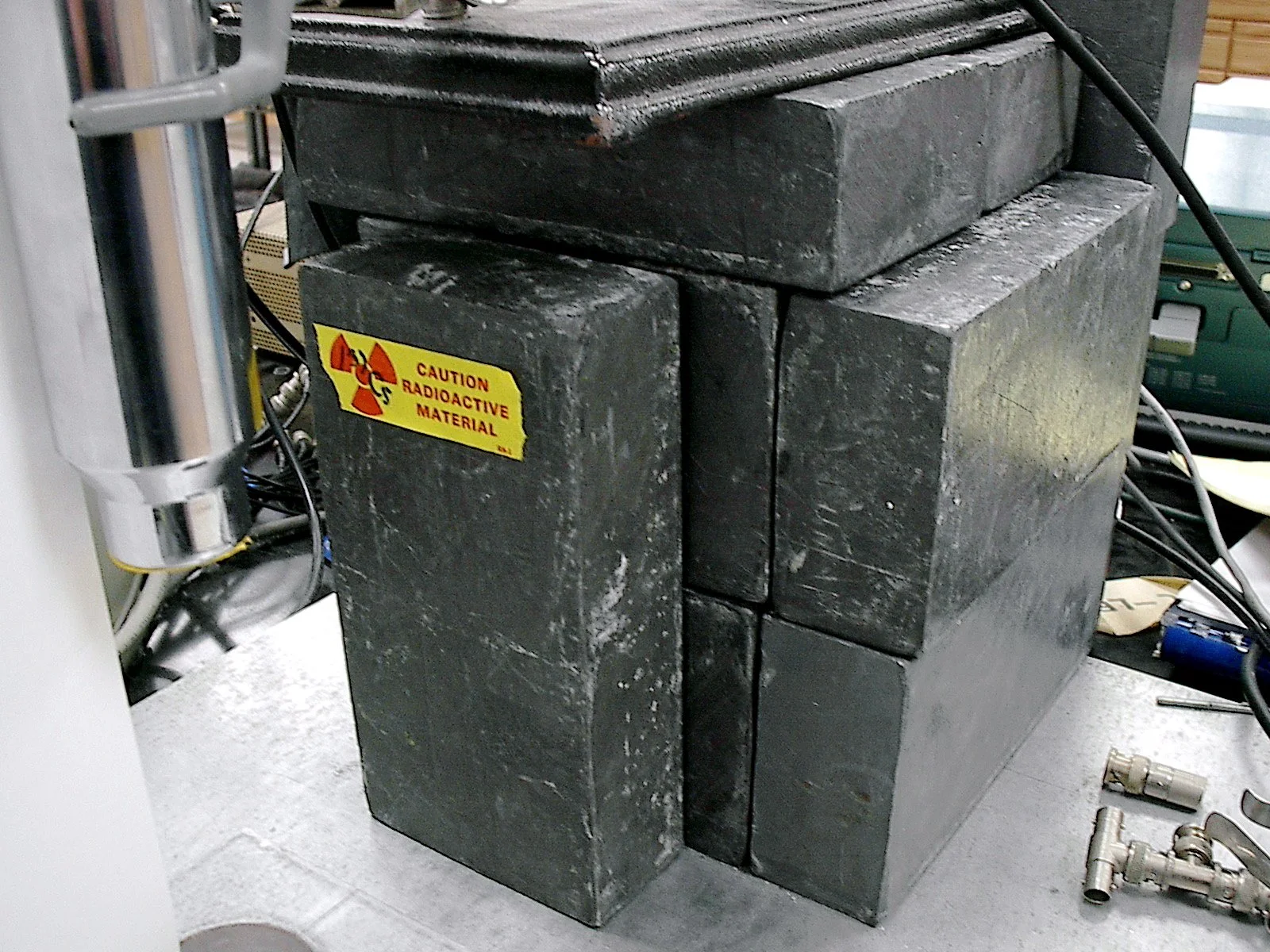
Lead shielding. L.Chang - Public Domain
Even though direct lead exposure can be dangerous, lead is very useful and important in radiation shielding products. Its high density, flexibility, and stability enables it to effectively block or absorb both gamma rays and x-rays. For example, lead aprons shield patients and technicians during radiographic imaging (x-rays). As long as it is used in applications like this responsibly, with regulations updated as new science becomes available, lead can continue to be used as a necessary product in these situations.
Despite the name, “lead pencils” never contained any lead, they have always been made of a mixture of graphite and clay. The first deposit of graphite discovered in England was mistakenly thought to be lead, which is where the misconception originated from.
Additional Publications FoR FURTHER READING:
Pagel, J. E., Sharpe, P. B., Garcelon, D. K., Little, A. E., Taylor, S. K., Faulkner, K. R., & Gorbics, C. S. (2012). Exposure of bald eagles to lead on the northern Channel Islands, California. Journal of Raptor Research, 46(2), 168-176.
Kelly, T. R., & Johnson, C. K. (2011). Lead exposure in free-flying turkey vultures is associated with big game hunting in California. PLoS One, 6(4), e15350.
Kelly, T. R. (2011). Investigation of Lead Exposure in Scavenging Birds in California: Informing on Management and Policy Regarding the Use of Lead Ammunition for Hunting. University of California, Davis.
Vyas, N. B., Spann, J. W., Heinz, G. H., Beyer, W. N., Jaquette, J. A., & Mengelkoch, J. M. (2000). Lead poisoning of passerines at a trap and skeet range. Environmental Pollution, 107(1), 159-166.
[SETAC] Society of Environmental Toxicology and Chemistry. 2021. Science Brief: Lead Toxicity in Wildlife. Pensacola (FL): SETAC. 2pp.