Ongoing Projects
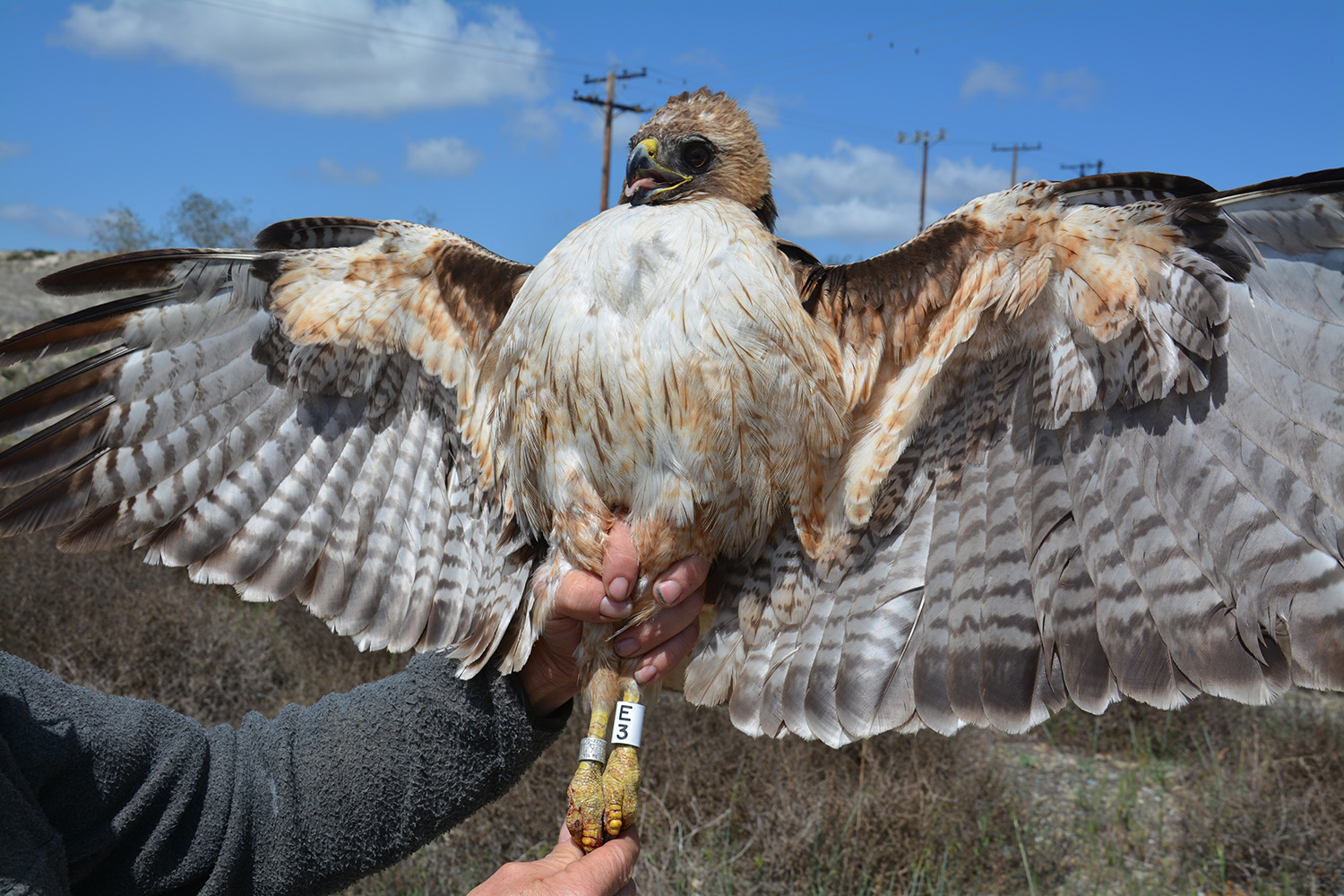
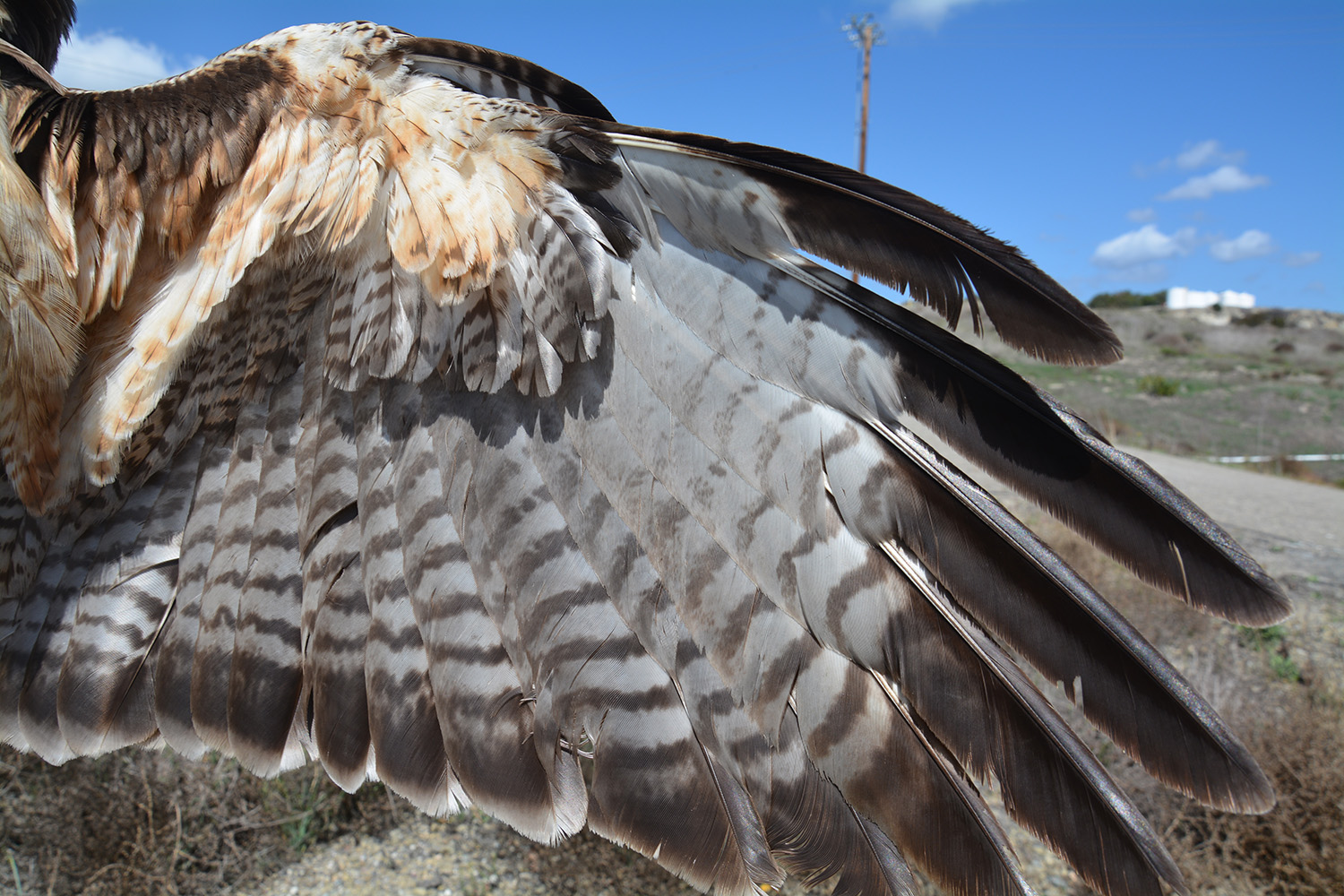
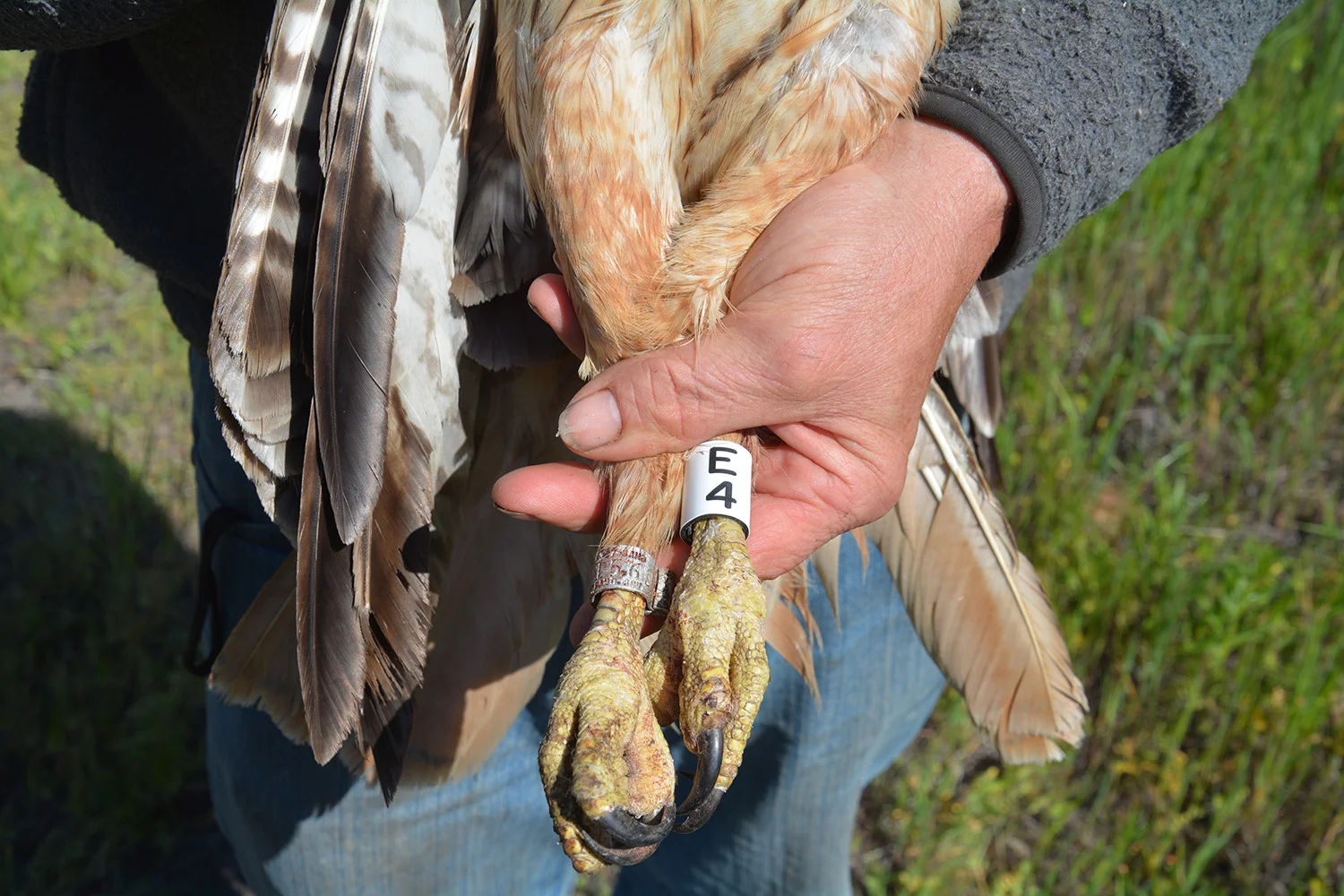
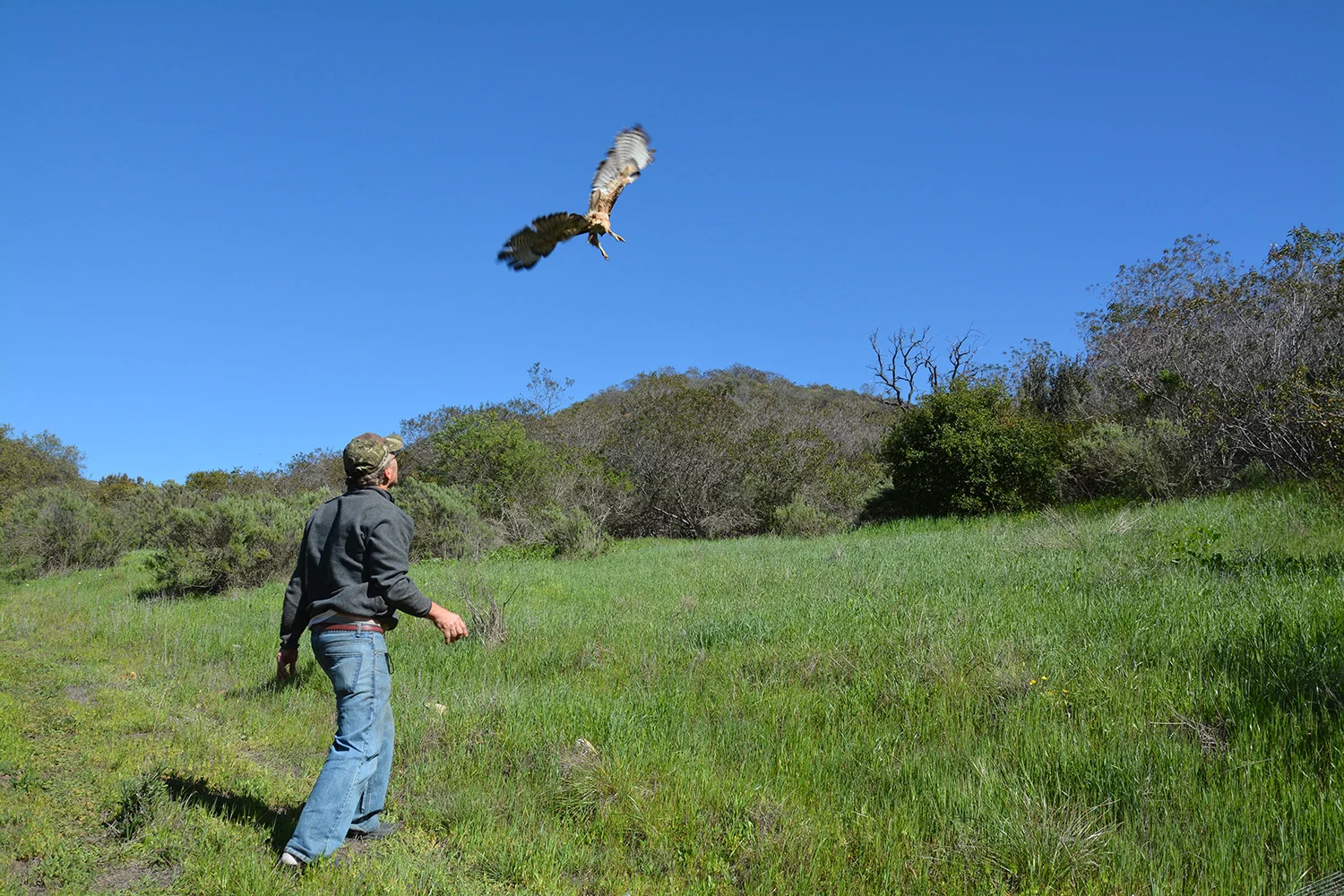
We continue to conduct data-driven research and fieldwork throughout California and neighboring states, partnering with other agencies and organizations, as well as students, in order to better understand the behavioral ecology of raptors, their movements, and causes for both the decline and rise of certain species. Dr. Pete Bloom is recognized worldwide as an expert on species such as Turkey Vultures, Golden Eagles, Swainson’s Hawks, Burrowing Owls, and many others.
Our ongoing, multi-decade study on dispersal patterns and population productivity in Red-shouldered and Red-tailed Hawks in southwestern California continues to yield intriguing and informative results. One fascinating finding is that productivity in the two raptor species shows predictable synchronous oscillations that we think are predominately influenced by weather patterns. We also have detected declines in territory occupancy, suggesting declines in population numbers or dispersal to new breeding areas. Currently, we are seeking funding to further explore how our productivity data relate to temporal changes in local and regional weather, including weather patterns influenced by El Niño Southern Oscillation and climate change. We also hope to secure funding to conduct research to determine if declining territory occupancies can be explained by declines in population numbers and, if so, if the population declines are caused by inclement or changing weather patterns, habitat alterations or loss, exposure to contaminants (e.g., rodenticides), or increased susceptibility to infectious diseases (e.g., West Nile Virus).
In addition we are working towards acquiring satellite transmitters as well, so that we can track and better understand movement patterns of raptors in southern California. Publishing results from BRI’s innovative scientific research program is ongoing and we continue to publish independent research conducted by Peter Bloom on raptor ecology, raptor population status, population threats, conservation and management needs, and efficacy of conservation actions.